

SunWorks and Francisco EPC Surveys Partner to Promote Energy Conservation in Jersey Homes
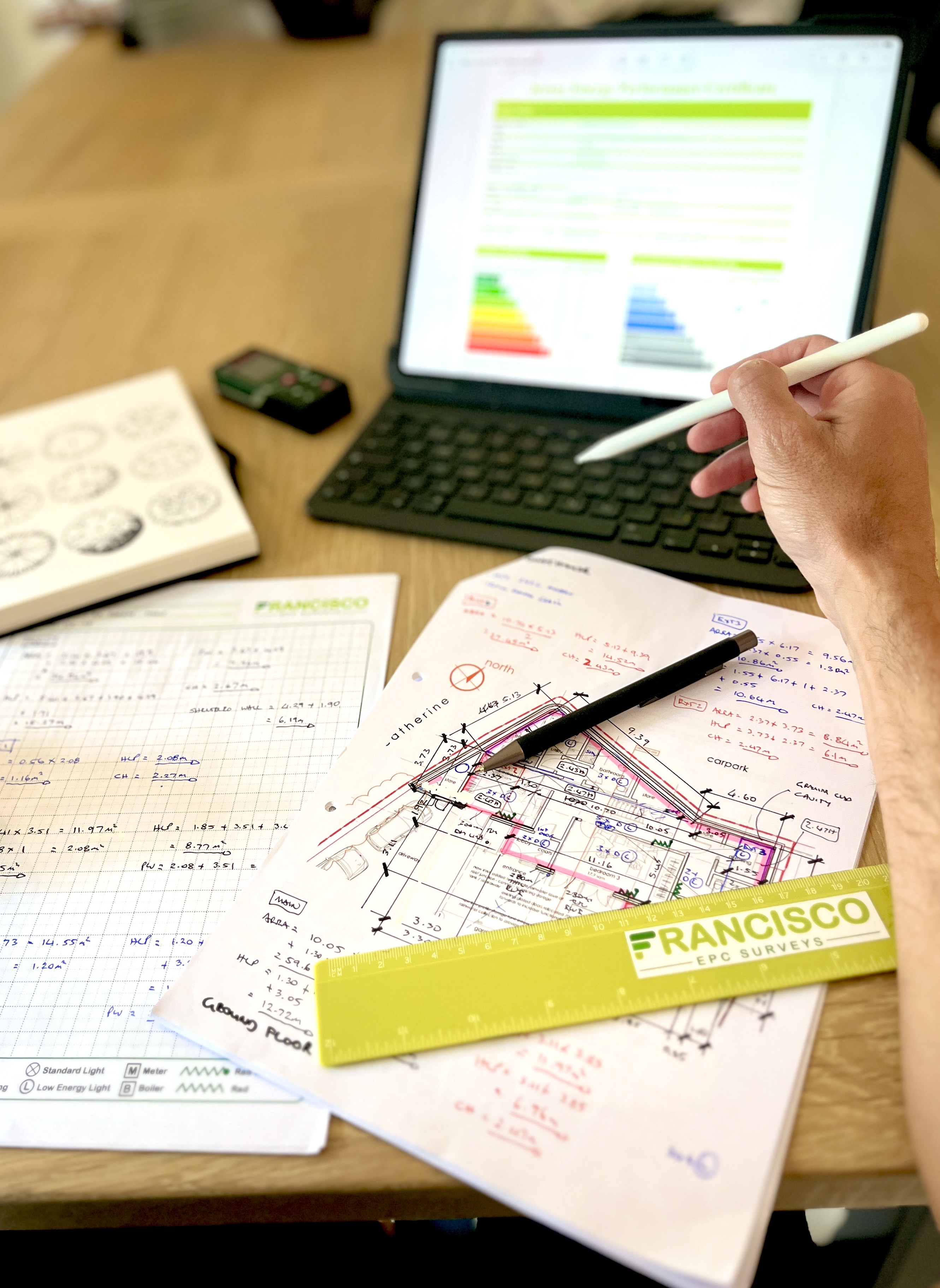
In a welcome step for Jersey homeowners looking to save energy and cut bills, local solar specialists SunWorks have teamed up with Francisco EPC Surveys to offer integrated EPC retrofit services. This collaboration brings together SunWorks’ long-standing experience in roofing and solar installations with Francisco EPC Surveys’ expertise in Energy Performance Certificate (EPC) assessments and energy advice. The aim is to provide practical guidance and solutions that help properties use less energy overall, making homes more comfortable and cost-effective year-round.
SunWorks has completed hundreds of solar installations across the island since starting in 2013, while Francisco EPC Surveys, run by qualified domestic energy assessor Bruno Francisco, delivers detailed audits to identify where energy is wasted. Together, they support a balanced approach to home improvements that puts conservation first.


What Are Energy Performance Certificates?
An Energy Performance Certificate (EPC) rates a property’s energy efficiency on a scale, much like appliance labels, and suggests practical upgrades to improve it. In Jersey, EPCs are not yet mandatory for all sales or rentals, though the government has been working towards this as part of broader energy policies. An EPC provides a clear picture of how well a home retains heat, uses energy for heating and lighting, and where savings could be made.
Approved assessors carry out surveys that examine insulation levels, windows, doors, heating systems, and more. The resulting certificate and recommendations help owners prioritise changes that deliver real reductions in energy use. Grants are available to cover part of the cost of these audits, making it easier to get started.
The Fabric First Principle: Tackling the Building Envelope Before Anything Else
The Fabric First approach focuses on improving the building’s outer shell – walls, roof, floors, windows, and doors – to reduce heat loss before considering new heating systems or renewables. This passive strategy cuts overall energy demand, leading to lower bills and better comfort without relying heavily on active heating or cooling.
In Jersey’s mild climate, where heating is needed for much of the year but extremes are rare, these measures can reduce heating requirements substantially. Experts recommend addressing the fabric before switching fuels, as a well-insulated home needs far less energy to stay warm. This avoids situations where new systems work harder than necessary, and it ensures any later upgrades perform at their best.
Many properties, especially older ones, lose heat through poor insulation or draughts. Starting here creates a strong foundation for efficiency.

Why Conservation Matters Alongside Fuel Switching
Jersey’s plans to reduce emissions include encouraging a switch from fossil fuel heating and transport to lower-carbon options, such as heat pumps and electric vehicles. These changes help tackle major emission sources, but conservation – reducing the total amount of energy needed – is equally important.
Fuel switching is easier to track and often highlighted in progress reports, yet simple conservation steps like better insulation can deliver significant savings with quicker paybacks. Without addressing waste first, some benefits of new systems may be reduced. A combined approach, starting with conservation, maximises savings and makes the most of available support.
Current Government Incentives for Energy Improvements
Jersey offers targeted funding to encourage energy efficiency:
- The Low Carbon Heating Incentive provides up to £9,000 in match funding towards installing air source heat pumps (or up to £4,000 for other approved low-carbon technologies). Low-income households may qualify for up to £15,000 without matching. The scheme continues into 2026 and supports transitions from oil or gas boilers.
- Home Energy Audit grants cover up to £150 for domestic EPC assessments (£100 for 1-2 bedroom properties, £150 for larger ones), helping owners understand their home’s performance.
These incentives are administered through gov.je, with first-come, first-served allocation in some cases. Checking the latest details on the government website is recommended, as schemes evolve.
Retrofitting for Better Thermal Performance
Upgrading the building envelope brings noticeable improvements. Wall insulation (cavity wall or internal/external) can cut heat loss significantly. Upgraded windows and doors with double or triple glazing reduce draughts and improve comfort. Roof insulation, such as multilayer reflective products like Actis Hybris, adds effective thermal barriers while allowing good ventilation.
Sealing gaps around pipes, vents, and frames prevents unwanted air movement. These changes often transform draughty homes into warmer, quieter spaces that require much less heating.
Homes That Need Minimal Heating
Well-insulated, airtight homes with controlled ventilation can maintain comfortable temperatures with very little active heating. In Jersey’s temperate conditions, such properties rely on body heat, appliances, and passive solar gain, reducing energy use dramatically and keeping bills low.
Smart Controls for Ongoing Efficiency
Smart thermostats, heating controls, and energy monitors help optimise usage by adjusting to occupancy patterns and providing real-time feedback. These tools ensure energy is used only when needed, complementing physical upgrades for sustained savings.
The Role of Solar PV
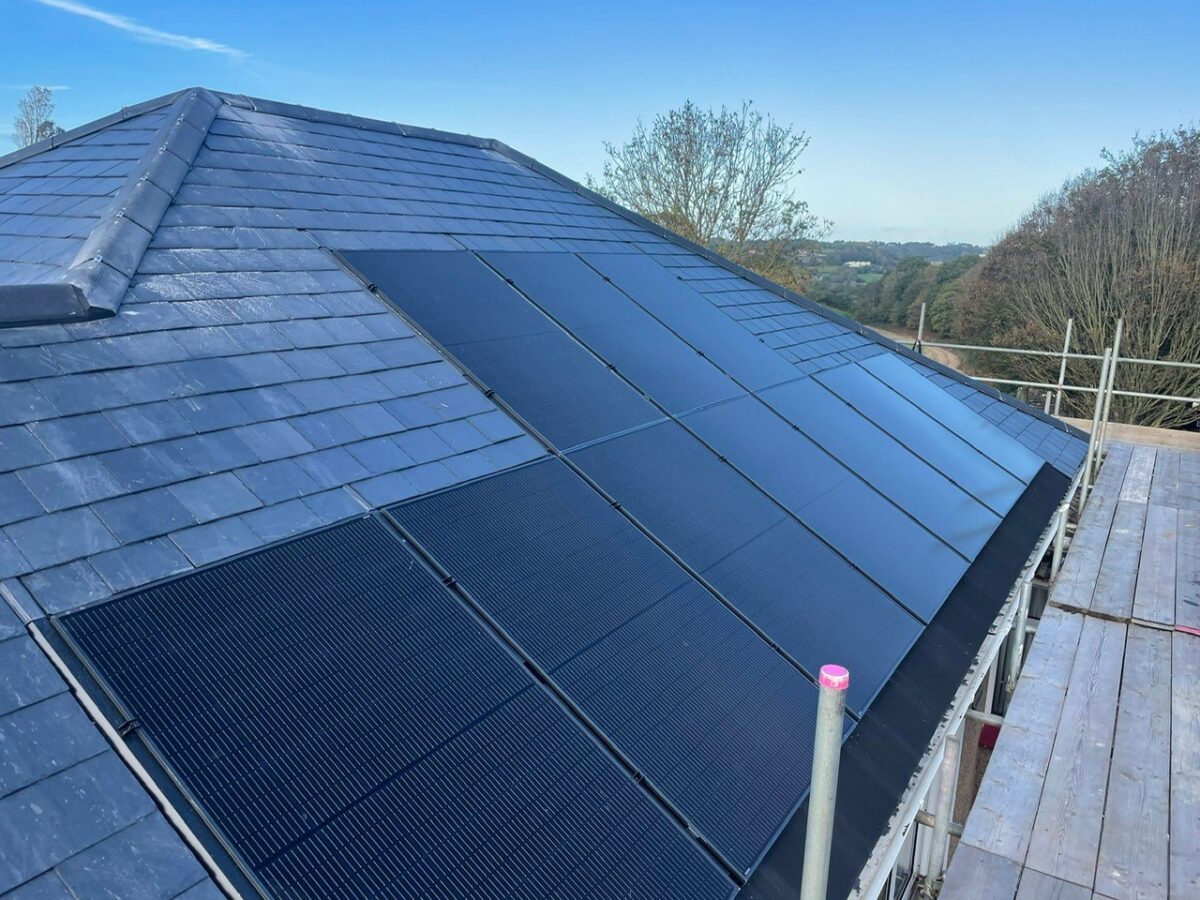
Solar photovoltaic systems generate clean electricity on-site, offsetting grid imports and lowering bills. In a well-insulated home, solar covers a larger share of needs, enhancing self-sufficiency. Paired with efficient roofs and envelope upgrades, solar becomes even more effective.
This partnership highlights a practical way forward for Jersey: assess first with an EPC, improve the fabric, then add renewables where suitable. Homeowners interested in an audit, retrofit advice, or solar options can explore further through local providers and gov.je resources. Taking steps now brings lasting comfort, lower costs, and alignment with the island’s efficiency goals.